

Chinese New Year is the busiest travel period in China, and also one of the most interesting times to be there. The difference between a good trip and a frustrating one is usually not the itinerary. It is whether you planned around the holiday instead of through it.
Chinese New Year 2027 falls on Saturday 6 February 2027. It begins the Year of the Fire Goat and the 15-day Spring Festival period. The official public-holiday schedule and any adjusted working days are published separately; check the State Council notice before treating a specific date as a public holiday.
This guide is about the travel consequences: transport, closures, prices and how to choose a base.
What the date means for your trip
The Lunar New Year itself is one day, but the travel pattern around it lasts longer. Demand rises before the festival as people travel home, and again afterward as they return or take trips. Popular train routes and flights can sell out, and the remaining seats become more expensive.
If your dates overlap late January or early February:
- Book long-distance transport as soon as your plans are firm.
- Prefer one city base over a chain of one-night stops.
- Keep hotels and transport refundable where possible.
- Check opening hours for the specific places you want to visit, especially on New Year’s Eve and New Year’s Day.
- Avoid tight connections on the busiest travel days.
Use the official China Railway 12306 channel for train searches and bookings. Do not rely on a third-party schedule screenshot from a previous year.
What closes, what stays open
The picture varies by city and by neighbourhood. Some restaurants and small shops close for several days around the holiday; others stay open and get busier. Major museums and attractions may have special hours. Temple fairs and lantern displays can draw large crowds at specific sites.
The practical rule is: confirm the thing you are planning around, not just the city. A restaurant recommended in a guide may be closed. A museum may close on its usual weekly day. A temple fair may have a different location or date this year. Check official city tourism channels and the venue’s own account before you go.
Where to base yourself
For a first Chinese New Year trip, one city is better than a multi-city route. You get festival atmosphere without spending the holiday in transit.
Beijing: temple fairs and traditional neighbourhoods give the city a distinct holiday rhythm. Book the hotel early and expect crowds at major sites.
Shanghai: lantern displays, historic streets and a strong food scene. The city is easy to navigate, but the popular festive areas get very crowded.
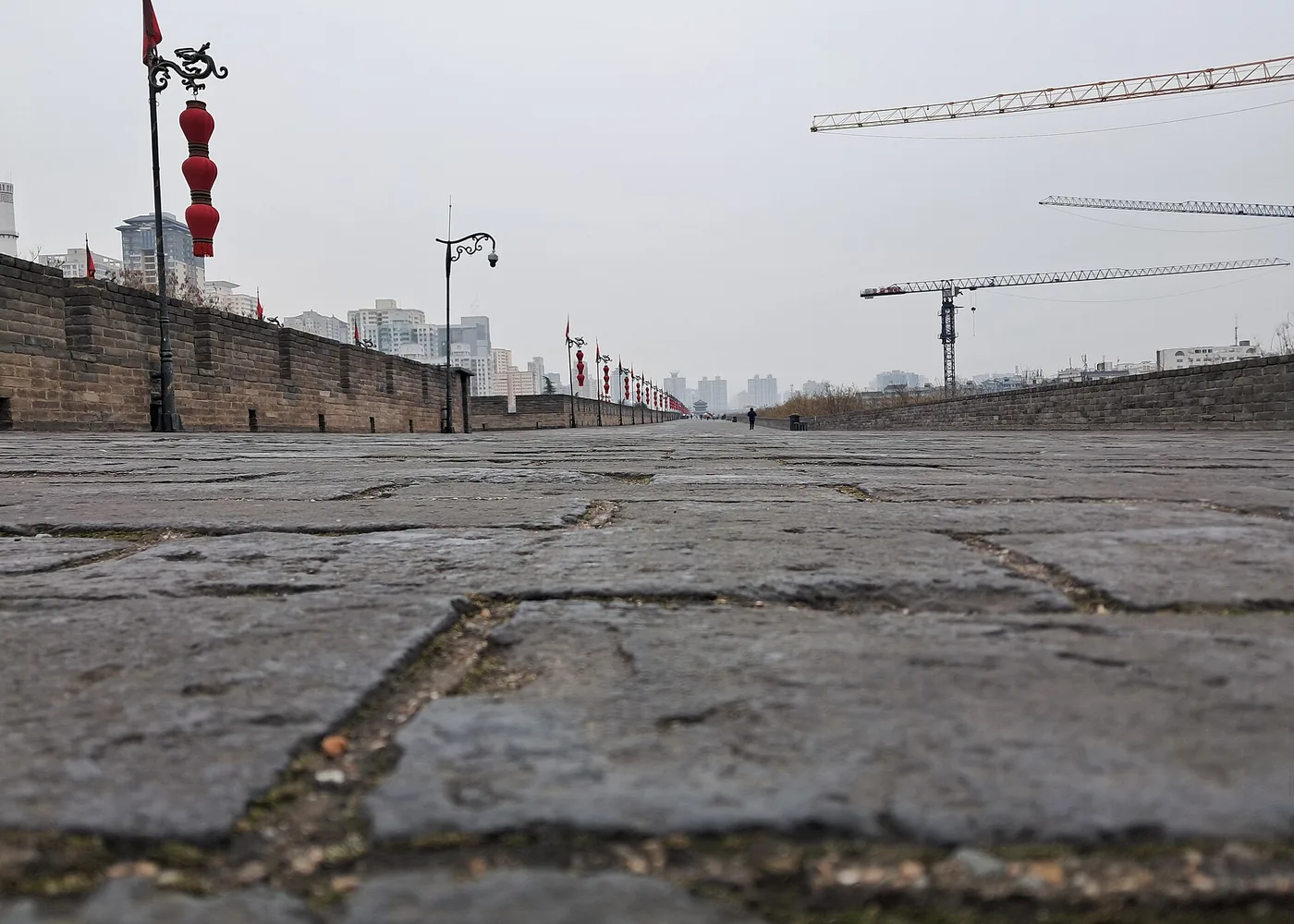
Xi’an: the city wall and traditional districts make the holiday feel visual and walkable. It is a good base if you want history and festival lights in the same trip.
Guangzhou: flower markets and a strong food culture make it one of the most distinctive places to spend the holiday. Confirm the specific market dates and locations locally.
For city logistics, start with the Beijing, Shanghai, Xi’an and Guangzhou guides.
What the festival actually looks like
Chinese New Year is a family holiday first. The most visible parts for a visitor are the decorations, temple fairs, lantern displays and special foods; the quietest part is often New Year’s Eve and the first day, when many families stay home and some businesses close. Firecracker rules vary by city, and large public events can change location or require tickets. Do not assume every city offers the same programme.
The useful planning question is not “where is the biggest party?” but “what kind of holiday do I want?” A major city with a temple fair and lantern display is lively but crowded; a smaller destination may be quieter but have fewer confirmed openings.
If you want a quieter version
Stay in a major city, choose a hotel with a reliable restaurant, and treat the holiday as a slow city break rather than a sightseeing marathon. Visit the festival area early in the day, book one good meal, and keep the rest flexible. Museums and major attractions may have reduced hours; confirm before you go. If you want to avoid the crowd entirely, travel before the holiday or use the day for the hotel, a long walk and an early dinner.
A one-city plan that works
A realistic Chinese New Year trip is four to five nights in one city, with one or two flexible festival activities and enough unplanned time for meals and walks.
- Day 1: arrive, settle in, confirm the hotel’s holiday opening information and buy any essentials.
- Day 2: the main festival district or temple fair, with a booked meal or a hotel fallback.
- Day 3: a museum or historic site, checked for holiday hours.
- Day 4: a neighbourhood day, a market or a slower food route.
- Day 5: departure, with buffer for transport.
Do not schedule a long intercity move on New Year’s Eve or New Year’s Day. If you must move, book the earliest available train or flight and leave a generous connection.
What to book, and when
- Hotels: book early, choose a refundable rate and confirm that the restaurant and services you need will operate during the holiday.
- Trains and flights: book when sales open, especially for routes to and from major cities.
- Festival events: check whether tickets are required and whether the event is confirmed for 2027.
- Travel insurance: make sure it covers your dates and medical evacuation; see our China travel insurance guide.
- Restaurants: for a specific holiday meal, reserve; otherwise keep a flexible backup near your hotel.
Is it a good time for a first China trip?
It can be, if you want the festival and accept the crowds. It is a poor time for a tightly scheduled multi-city tour, a spontaneous train-hopping trip or a plan that depends on every restaurant being open.
If you want winter scenery without the holiday surge, travel earlier in January. Our China in January guide explains the early/late-month split, and the China in December guide covers the pre-holiday window.
If you want a route planned around the holiday, tell us your dates and how much festival activity you want. Start with a trip brief or see the custom itinerary service.
References & checking dates
- Hong Kong Observatory — 2027 calendar (Lunar New Year, 6 February 2027)
- Smithsonian — 2027: Year of the Goat
- China Railway 12306 — official train search and booking
- UK Foreign Office — China health advice
Last editorial check: 10 November 2026. Transport, entry rules and ticket availability can change. Confirm details with official providers before booking.